
A Developer’s Honest Guide to Mobile App Development
Best Mobile app development company in India This way, you can increase your sales by while keeping the advertisement cost low.
Mar 9, 2026 • 12 min read
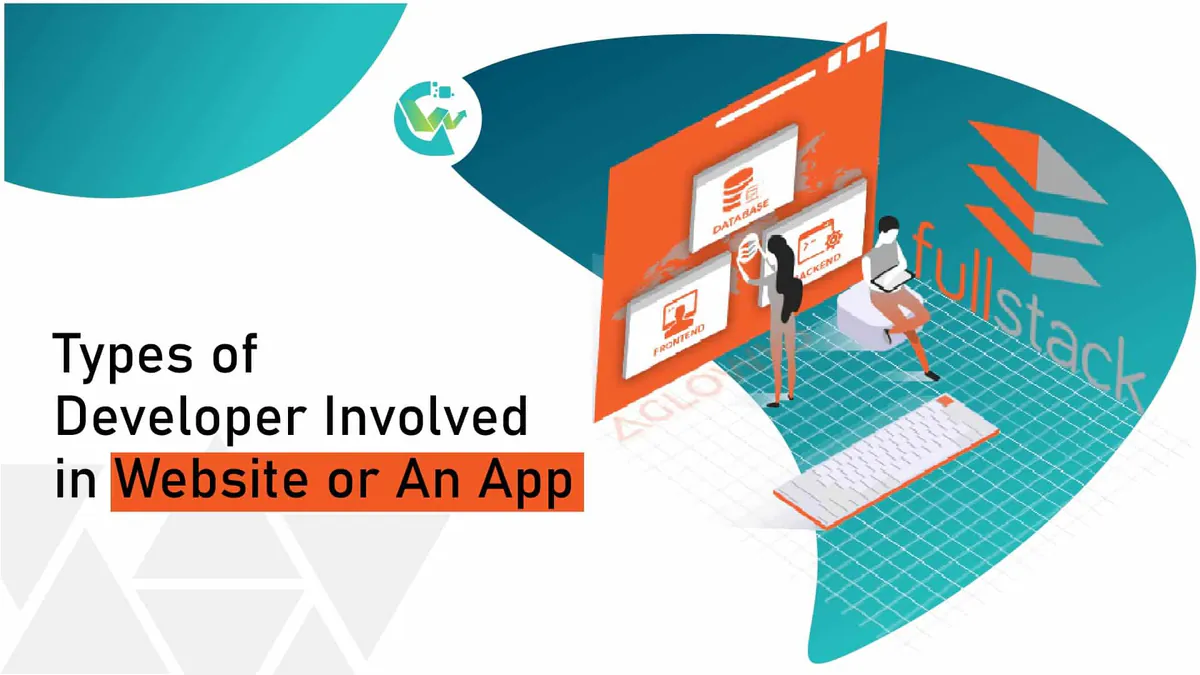
Building a successful web or mobile platform requires matching your project scope with the right types of developers, such as frontend, backend, or full-stack engineers. For enterprises requiring reliable code and fast delivery, using a hire developer service in noida keeps your development overhead low. Partnering with an established team like Growth Wonders recognized as the best mobile app development company in noida ensures lightweight React and Astro builds backed by strict intellectual property safety.
I still remember my first commercial software build. The client came to me with a sketch on a napkin and said, "You are a programmer, so you can build the whole thing, right?"
I had to explain that software engineering is not a single job. Just like you would not ask a painter to lay down your home's foundation or run the electrical wiring, you cannot expect one person to master every single layer of a complex digital build.
If you are looking to build a digital asset in India, you are looking at a tech market that generates over $220 billion in annual revenue. NASSCOM's strategic reviews show that the technology services and business process management sector alone accounts for roughly $190 billion of our total $265 billion tech industry.
With an industry that massive, specialization is everything. To make sure your project succeeds, you need to understand the different types of developers involved, how they work together, and how to hire the right talent through an established mobile app development company in noida.
When we build a custom app or website, we divide the work based on where the code actually runs. Here are the primary development specialists you will need on your team:
Stop guessing. Start growing. Find out exactly what is holding your website back from ranking on Google in seconds.
A. Frontend Developers (The Screen Artists)
Frontend developers build the visual parts of your website or app that users see, tap, and click. They translate design mockups from Figma into interactive interfaces.
While frontend developers focus on how the app looks, backend developers focus on how it actually works behind the scenes. They write the server-side logic, manage your databases, and handle security.
Full-stack engineers are the generalists of the software world. They are comfortable writing both backend server-side logic and frontend user interfaces.
Mobile developers specialize in building applications specifically for smartphones and tablets.
If you are looking for local tech talent, Noida has grown into a major hub for software engineering. The city is home to a massive pool of senior programmers and modern IT parks, offering premium development services at a fraction of Western costs.
Get certified by industry experts. Join our comprehensive 360° training program and land your dream job with practical, hands-on experience.
Explore Courses
However, trying to manage a team of individual freelancers is a recipe for missed deadlines and buggy code. If one developer leaves mid-project, your entire build can stall.
This is why smart businesses work with an established website development company in noida or a dedicated android app development company in noida. A structured agency provides:
If you want to keep your project fully protected, Growth Wonders (based in Sector 63, Noida) signs strict, legally-binding Non-Disclosure Agreements (NDAs) before any planning starts, ensuring your proprietary ideas and source code remain 100% yours.
We believe in complete financial transparency. You do not need to guess what your project will cost. Here is a realistic breakdown of Growth Wonders' standard development packages in India for 2026:
Whether you need a quick landing page or a full enterprise site, here are our standard pricing tiers:
Scale your business with high-performance, IOS and Mobile Apps.
Start Your Project
| Project Type | Target Framework | Delivery Timeline | Estimated Cost (INR) |
| Custom Landing Page | Astro 5.0 & Tailwind CSS 1 | 1 to 2 Weeks | ₹25,000 – ₹50,000 |
| Corporate Business Site | WordPress or Custom React 7 | 4 to 6 Weeks 7 | ₹50,000 – ₹1,50,000 |
| E-Commerce & Portals | Node.js Backend, React Frontend 1 | 6 to 10 Weeks 7 | Custom Quote Only 7 |
If you want to launch a lightweight app to validate your business model, our MVP Starter Plan offers a highly cost-effective setup:
If you already have a project underway but need extra engineering power, our hire developer service in noida lets you onboard pre-vetted, senior programmers directly into your Slack and JIRA workflows within 48 hours. This model keeps your administration costs at zero while giving you complete control over your resources.
Building a high-performing digital asset requires balancing two distinct sides of search engine optimization. Think of it like a professional race car: Technical SEO is the engine, chassis, and aerodynamics (the infrastructure), while On-Page SEO is the driver, the fuel, and the paint job (the content and presentation).
Technical SEO focuses on backend and infrastructure optimization to ensure search engines can crawl, index, and render your site efficiently. Key components include:
On-Page SEO is about optimizing individual pages to rank higher and earn more relevant traffic. It focuses on the content itself and the HTML source code. Essential practices include:
Best Mobile app development company in India This way, you can increase your sales by while keeping the advertisement cost low.